
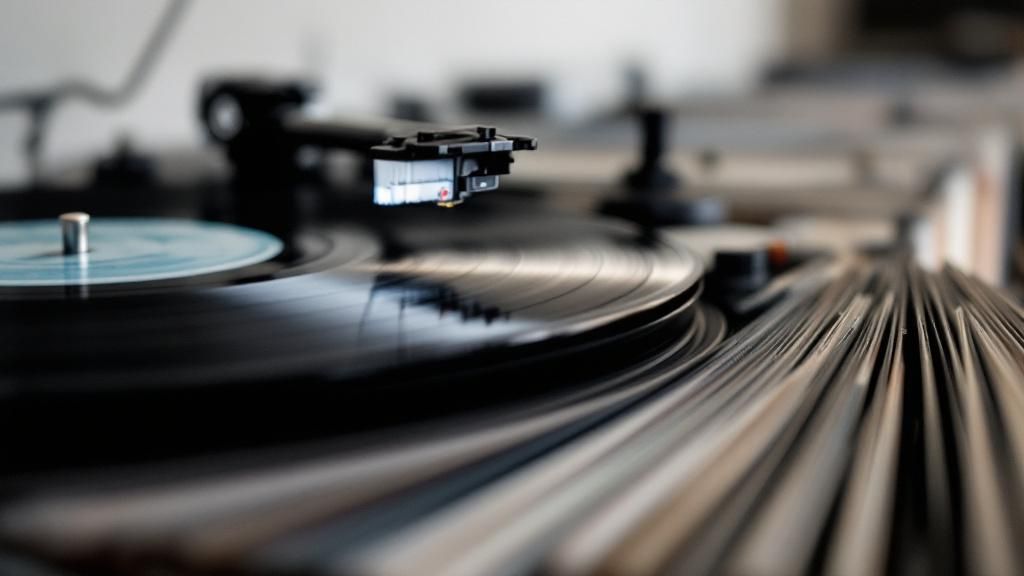
In an period dominated by streaming services and digital downloads, vinyl records have experienced a striking resurgence that few market observers predicted. From specialist music retailers in London to dedicated enthusiasts across the globe, the analogue format is witnessing extraordinary resurgence amongst both devoted audio enthusiasts and a younger cohort of music enthusiasts. This comeback raises intriguing questions about why listeners are returning to physical media, what drives the vinyl market’s rapid expansion, and whether this nostalgic trend represents a enduring transformation in how we engage with music.
The Revival of Vinyl
The revival of vinyl records represents a compelling alternative movement to the digital streaming dominance that has influenced the music industry over the last twenty years. Record shops that once were threatened with closure have reopened to flourishing groups of enthusiasts, whilst new standalone vendors have emerged across major cities globally. This unanticipated comeback has converted vinyl from a niche hobby into a mainstream phenomenon, with revenues increasing steadily annually. The phenomenon transcends mere nostalgia, reflecting a real change in listener attitudes towards how people consume music and the worth of physical media.
What renders this revival especially significant is its appeal across generational boundaries. Whilst veteran collectors reconnect with their treasured records, emerging listeners are encountering vinyl as a fresh discovery, attracted to the ritualistic aspects of playing records and the enhanced audio fidelity that many devotees advocate. Record collecting has transformed into a shared experience, with listening parties and vinyl swap meets engaging people from different backgrounds. This widening accessibility of vinyl has legitimised the format within contemporary music discourse, cementing its status as a viable option against digital services and challenging prevailing assumptions about current listening practices.
Why Audio enthusiasts Favour Analog audio
Audiophile enthusiasts contend that vinyl records deliver a richness and warmth that digital technology simply cannot replicate. The analog signal preserved in vinyl grooves preserves the complete spectrum of sound frequencies, delivering a more authentic audio experience. Numerous listeners find that vinyl playback delivers exceptional clarity and richness, especially in orchestral and jazz recordings. This audio signature originates from the core qualities of analogue technology, which captures continuous sound waves rather than separate digital samples.
The mechanical process of vinyl playback introduces subtle harmonic characteristics that audiophiles consider desirable. When a stylus traces vinyl grooves, it naturally produces tonal qualities that digital reproduction finds difficult to replicate. Furthermore, the lack of compression algorithms employed in digital audio preservation means vinyl preserves nuances that might otherwise be overlooked. This uncompressed sound quality appeals to attentive audiences who prioritise sound quality above convenience, making vinyl the preferred choice for serious listening experiences.
Beyond sonic qualities, vinyl records call for genuine participation from listeners. The ritualistic nature of selecting an album, placing the record on a turntable, and setting the needle creates a conscious listening session. This deliberate interaction contrasts sharply with passive streaming, promoting more profound musical connection and connection with artists’ complete works.
Market Expansion and Economic Consequences
The vinyl record market has demonstrated remarkable economic expansion over the previous decade, with global revenue figures reaching all-time peaks. Industry analyses indicate that vinyl sales have increased substantially annually, generating substantial revenue in global sales. This economic resurgence has rejuvenated independent record retailers, manufacturing plants, and distribution networks that had formerly experienced downturn. Major recording companies have reacted by committing heavily in vinyl output, recognising the medium’s profitability and social relevance amongst today’s listeners.
Beyond commercial transactions, the vinyl renaissance has driven growth in ancillary markets covering turntables, amplifiers, and professional audio components. Producers of premium audio equipment report increased demand as consumers invest in superior audio devices. This economic ecosystem has generated jobs across manufacturing, sales, and distribution industries. The resurgence shows that physical media remains commercially viable, contradicting previous forecasts of complete industry collapse and establishing vinyl as a major force to the contemporary music industry’s overall economic landscape.
The Future of Vinyl Records
The path of vinyl records appears quite optimistic as market analysts forecast ongoing expansion throughout the next ten years. Industry experts anticipate that the resurgence will sustain itself through increased investment in manufacturing infrastructure, improved pressing quality, and wider distribution channels. Younger demographics continue embracing vinyl as a deliberate counterbalance to digital saturation, whilst established collectors remain committed to expanding their collections. Record labels are responding enthusiastically, allocating greater resources towards vinyl releases alongside digital formats, signalling confidence in the format’s lasting appeal and profitability.
Advances in technology and ecological awareness are poised to shape vinyl’s future trajectory substantially. Manufacturers are investigating eco-conscious manufacturing practices, employing reclaimed content and environmentally responsible wrapping to appeal to ecologically conscious consumers. Meanwhile, advancements in turntable technology and audio equipment continue enhancing the listening experience, drawing in dedicated sound enthusiasts pursuing exceptional audio fidelity. As digital listening fatigue continues and consumers increasingly value physical, collectable formats, vinyl records appear positioned to remain a pillar of contemporary music culture for years ahead.
