
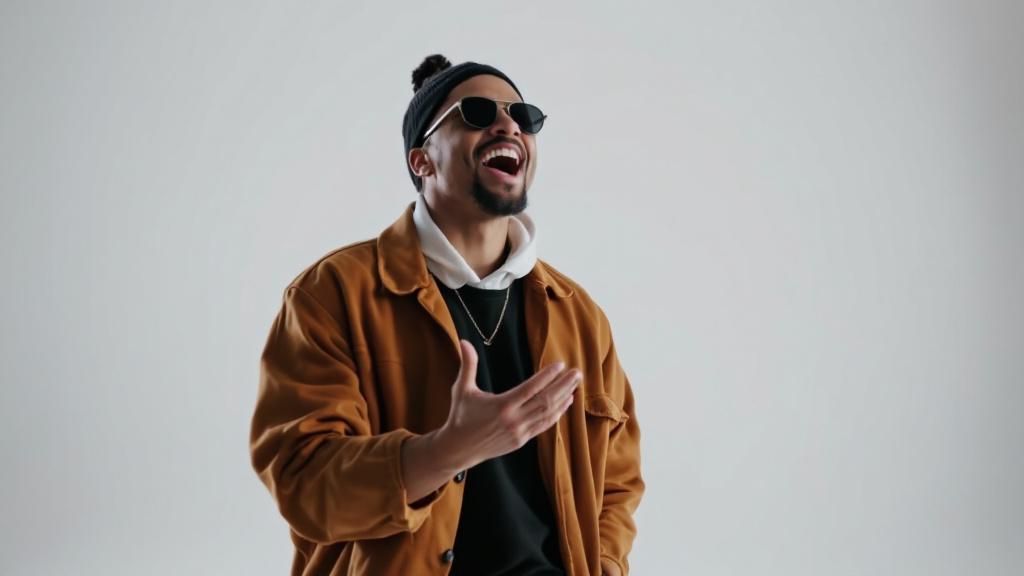
In an rapidly expanding digital landscape, social media has fundamentally transformed how audiences find, access, and interact with music. A celebrated musician recently shared frank observations into this significant transformation, examining how platforms like TikTok, Instagram, and YouTube have reshaped the entertainment industry. From broadening access to emerging artists to questioning traditional record label models, social media’s influence is beyond question. This article explores the possibilities and difficulties facing modern musicians, probing how they’re adapting their strategies to flourish in an era where viral moments can launch careers overnight.
The Growth of Fan Engagement Platforms
Social media has fundamentally transformed the connection between artists and fans, eliminating traditional intermediaries that once controlled direct contact between performers and listeners. Platforms such as Instagram, TikTok, and Twitter now permit creators to distribute their creative process, personal thoughts, and upcoming work to enormous fanbases without delay. This unprecedented access has nurtured more meaningful bonds between performers and their fanbase, transforming passive listeners into active participants who feel truly committed to an artist’s journey and career trajectory.
The consequences of this immediate interaction are profound and multifaceted. Artists can now collect instant responses on fresh work, test concepts with their fanbase before official releases, and foster engaged audiences that deliver crucial assistance throughout their careers. Furthermore, this accessibility of platforms has given independent creators the ability to develop large followings independently, circumventing traditional barriers that traditionally controlled the entertainment industry. Consequently, the traditional power dynamics between industry gatekeepers and musicians have moved significantly, creating unprecedented opportunities for artistic independence and monetary freedom.
Challenges of Perpetual Connection
Whilst social media has certainly opened doors for emerging artists, the relentless demand for constant content creation presents substantial difficulties. Artists now find themselves obligated to maintain an almost perpetual online presence, creating captivating multimedia updates to preserve viewer attention and algorithmic favour. This pressure diverts valuable resources and focus from the creative process itself, potentially compromising the standard of musical production. Furthermore, the requirement to remain perpetually contactable can exact a significant cost on mental health, as musicians contend with widespread examination, negative comments, and the concern about sustaining relevance in an progressively congested virtual landscape.
The algorithmic nature of digital social networks creates additional complications for artists pursuing long-term career viability. Success is no longer determined solely by creative ability or artistic quality; instead, it relies significantly on grasping how platforms work, posting schedules, and what’s trending. This lack of predictability means that even highly skilled artists may struggle to gain traction, whilst others gain widespread attention by being novel rather than genuine artistry. Moreover, the fleeting character of social media attention means that maintaining momentum demands ongoing transformation, leaving musicians trapped within an relentless pattern of change and output that frequently seems removed from authentic creative expression.
The Prospects of Musical Content and Online Services
The evolution of the music industry appears inextricably linked to the development of digital platforms. As artificial intelligence and machine learning progressively develop, customised music suggestions will become ever more advanced, significantly transforming how listeners discover new artists. Digital streaming providers are investing heavily in algorithmic playlist creation, which promises to democratise exposure further whilst concurrently generating questions about creative quality and market sustainability. The musician highlighted that adaptability will be paramount for those pursuing sustained careers in this fast-changing landscape.
Developing technologies introduce both remarkable possibilities and significant obstacles for today’s musicians. VR performance experiences, distributed ledger payment models, and NFT assets embody emerging spaces that musicians are starting to investigate in exploratory fashion. However, the enduring feasibility of such developments stays questionable, and numerous artists voice doubt regarding their lasting prospects. The prevailing view suggests that whilst innovation is necessary, sustaining meaningful relationships with fans through conventional methods stays equally vital for creating sustained professional success and developing true listener devotion.
Looking ahead, thriving musicians will probably adopt combined approaches that leverage social media’s reach whilst preserving artistic vision and artistic autonomy. The democratisation of music production technology means that home-based creators now stand shoulder to shoulder with established studios, substantially transforming industry structures. Yet, the human element—narrative craft, emotional depth, and genuine connection—cannot be replicated by artificial systems. The musician concluded that this balance between authenticity and innovation will ultimately define the coming generation of music industry accomplishment.
